2) Base Herbs
Chamomile gives round floral character, lemon balm adds light citrus aroma, and rooibos creates deeper color and naturally sweet notes. Use these when you need a calm flavor backbone that carries spices and peel well.

This guide collects home-friendly herbal tea recipes with clear measurements, steeping ranges, and flavor balancing tips. Instead of generic combinations, each blend explains why a herb is added: aroma, body, brightness, cooling sensation, or warm spice character. You can adapt each formula to mug brewing, pot brewing, or concentrated base brewing for iced tea.
Most successful herbal tea recipes use a simple structure: a base herb for volume, a bridge herb for flavor continuity, and one accent herb for identity. Base herbs such as chamomile, rooibos, or lemon balm contribute body and keep the cup soft. Bridge herbs, for example mint or orange peel, connect floral and earthy notes. Accent herbs like ginger, hibiscus, or lavender should be measured carefully so they remain expressive without dominating the cup.
Start with dry ratios by volume: 2 parts base, 1 part bridge, and 0.5 part accent. Brew test cups at 90-95C and vary steeping between 4 and 8 minutes. Keep notes for sweetness level, aroma lift, and finish. If a blend tastes flat, add a tiny amount of citrus peel. If it tastes thin, increase base herb slightly. This repeatable approach makes recipe development easier and reduces ingredient waste.
Chamomile gives round floral character, lemon balm adds light citrus aroma, and rooibos creates deeper color and naturally sweet notes. Use these when you need a calm flavor backbone that carries spices and peel well.
Lemon peel and hibiscus sharpen perception of freshness. They are especially useful in cold infusions where subtle herbs can taste muted. Keep hibiscus small to avoid overwhelming tartness.
Ginger, cinnamon, and cardamom make blends feel fuller in cool weather. Crush cardamom pods before brewing to release aroma. Use cinnamon pieces rather than powder for cleaner liquid.
Choose food-grade herbs from transparent suppliers and check packaging dates. Keep blends away from direct sunlight and moisture. For group serving, list all ingredients so guests can make informed choices based on their own preferences. This website shares general lifestyle information only.
For best aroma quality, rotate small batches every 2 to 4 months and keep them in airtight containers in a cool cabinet.
Yes, many blends work for a second infusion. Extend steeping time on the second cup by around 2 minutes.
Brew a concentrate at double herb amount, cool it, then pour over ice with cold water to taste.
Yes, but reduce quantity of fresh mint and fresh balm because water content dilutes intensity.
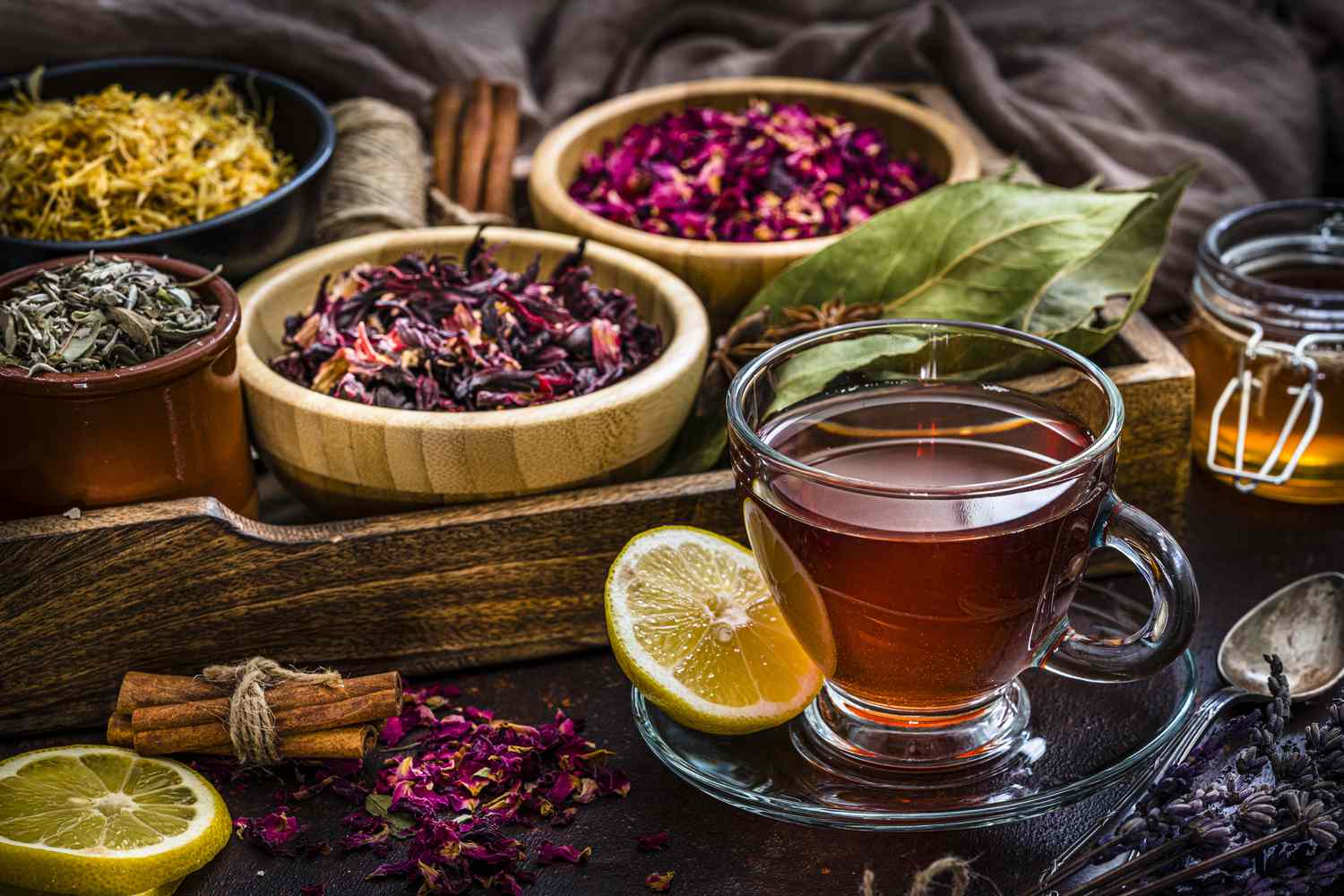
A consistent setup makes daily tea preparation easier and reduces ingredient waste.
Small changes in time have visible impact on flavor. For delicate flowers and leaves, begin with short infusions and increase gradually. Recording grams, water temperature, and steep duration gives repeatable results and helps you adapt recipes to different kettles.
Filtered water usually keeps aroma clearer than heavily mineralized water. Glass or porcelain teapots help preserve neutral taste, while thick mugs keep temperature stable for longer infusions.
Preparing blends in small weekly portions supports freshness. Label jars with date and ratio, then reorder ingredients by use frequency so the most common herbs stay accessible.
When serving guests, offer one mild blend and one brighter blend to cover different preferences. This approach is practical for gatherings and helps people compare styles side by side.
Email: notifyuse@vloxarinvorp.world
Phone: +1 701 371 5685
Address: 4609 33rd Ave S, Fargo, ND 58104, United States
This website provides general lifestyle information only and does not constitute professional or medical advice.
Content on this website is prepared for general educational use about tea ingredients, kitchen methods, and flavor planning. We focus on practical brewing techniques, sourcing notes, and preparation routines. We do not publish promises about outcomes, and we do not present this content as professional advice. Recipe performance may differ depending on ingredient quality, water composition, and brewing equipment.
When this website is promoted through advertising channels, ad text and landing-page content are aligned with the same editorial standards used across the site. Visitors can easily access contact details, policy pages, and data-practice information through the navigation and footer. Questions about content accuracy, data handling, or updates can be sent through the contact form or by phone.