Chamomile
Floral, slightly honeyed profile. Works as a base for evening blends and pairs with mint, lemon peel, and apple. Use medium steeping time to keep flavor clean.

Learn how common tea herbs shape aroma, texture, and color. This page helps you choose ingredients with confidence and combine them into balanced blends for everyday use.
Understanding the role of each herb helps you create blends with clear character. Some herbs add body, others lift aroma, and some create color or a lingering finish. This page explains common herbs used in home tea recipes and when to combine them for a balanced cup.
Floral, slightly honeyed profile. Works as a base for evening blends and pairs with mint, lemon peel, and apple. Use medium steeping time to keep flavor clean.
Fresh citrus aroma with soft herbal body. Good bridge ingredient between floral and spice notes. Add at moderate quantity to avoid grassy finish.
Provides cool aromatic top note. Works well with chamomile, rooibos, and citrus peel. Add near the end for brighter fragrance.
Deep color and naturally rounded flavor. Useful as a structure herb in caffeine-free blends with spices and fruit pieces.
Organized storage improves consistency and flavor clarity across blends.
Grouping herbs by aroma family helps design blends faster: floral (chamomile, lavender), citrus (lemon balm, peel), cool (mint), and warm spice (ginger, cinnamon). Start with one family and add a contrasting accent to create depth.
Some ingredients influence mouthfeel more than aroma. Rooibos and fennel can make a cup feel fuller, while peel and mint keep the finish lighter. This balance matters in both hot and iced service.
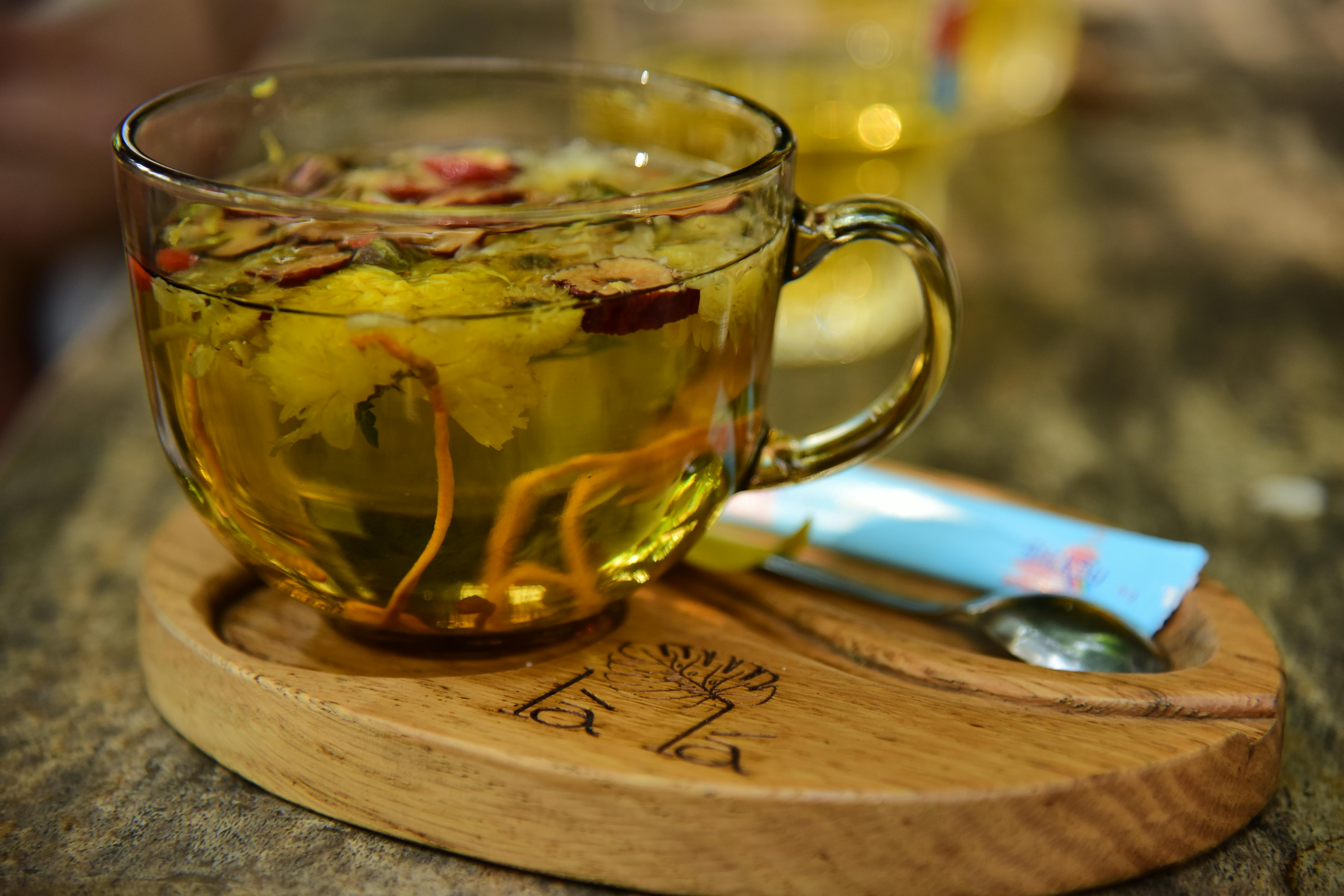
Color often signals extraction intensity. Deep red or amber tones may indicate stronger extraction of fruit and flower components. A pale cup may need longer steeping or slightly more ingredient weight.
Use first-in, first-out rotation for jars. This simple system ensures older ingredients are used first and supports predictable flavor quality in every brewing session.
Monthly ingredient sessions compare aroma changes after different steeping temperatures and storage methods. Visit Events for upcoming dates and themes.
How do I avoid dull flavor? Use fresh herbs and avoid long open-air storage. Can I combine five herbs at once? Start with three, then add one accent herb after testing.
This website provides general lifestyle information only and does not constitute professional or medical advice.